 Best Fencing Charlotte
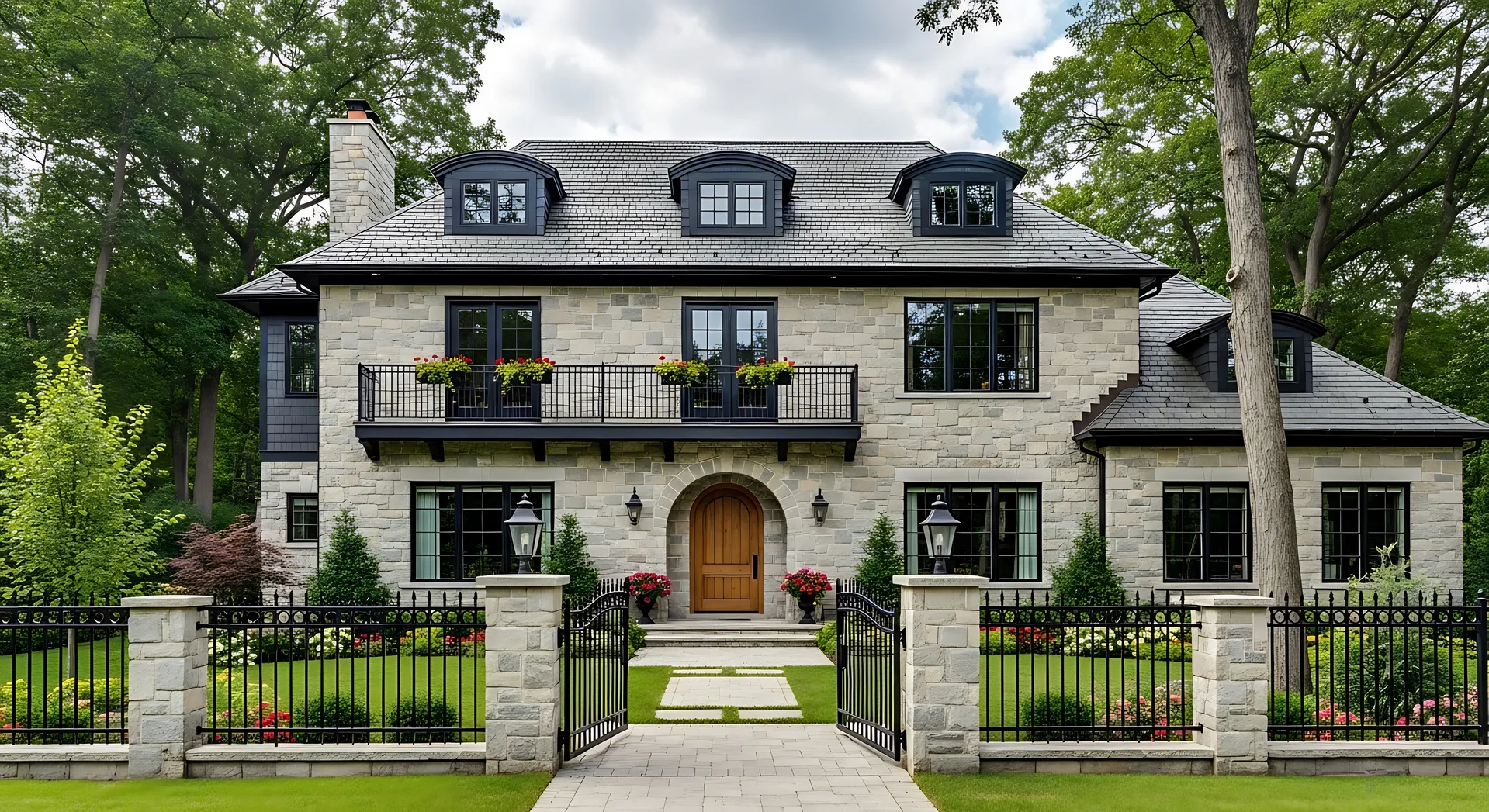
Black metal fencing is one of the most popular fence styles in the Charlotte area right now. Drive through any neighborhood in Huntersville, South Charlotte, or the Lake Norman communities and you will see black metal fences everywhere -- around front yards, along pool decks, lining driveways, and framing entire properties. The look is clean, classic, and works with almost any home style from modern to traditional.
But there are two very different materials behind that black metal look: aluminum and wrought iron. They look similar from a distance, but they differ significantly in cost, weight, maintenance, durability, and installation. Choosing the wrong one for your situation can mean spending twice what you needed to, or dealing with rust problems for years. Here is a straight comparison to help you decide which one is right for your Charlotte home.
Aluminum Fencing: The Full Picture
Aluminum fencing is the most common metal fence material installed in residential Charlotte neighborhoods. It is lighter, cheaper, and lower maintenance than iron, which is why most homeowners choose it.
Cost. Black aluminum fencing costs $30 to $55 per linear foot installed in the Charlotte area. For 150 feet of fencing -- a typical backyard perimeter -- that puts the total project between $4,500 and $8,250. Residential-grade aluminum (lighter gauge, suitable for property boundaries and decoration) sits at the lower end. Commercial-grade aluminum (heavier gauge, required for pool enclosures in Mecklenburg County) costs more. See our full cost guide for comparisons to other materials.
The black finish. Aluminum fencing gets its black color from a powder-coating process. The aluminum is coated with a fine powder that is baked on at high heat, creating a smooth, hard finish that bonds to the metal. This is not paint -- it is much more durable than paint. Quality powder coating will not chip, peel, fade, or chalk for 15 to 20 years in normal conditions. Charlotte's UV exposure and humidity do not affect a good powder coat the way they would affect painted steel.
Rust resistance. Aluminum does not rust. Period. Unlike iron or steel, aluminum does not contain iron, so it cannot form iron oxide (rust). This is the single biggest advantage aluminum has over wrought iron in Charlotte's climate. With humidity regularly above 80% in the summer and 43 inches of rain per year, a material that cannot rust is a significant benefit. You will never see orange streaks running down your fence or staining your concrete driveway.
Weight and installation. Aluminum is light. A standard 6-foot aluminum fence panel weighs 15 to 25 pounds, compared to 50 to 80 pounds for a comparable iron panel. This makes aluminum easier and faster to install, which keeps labor costs down. The lightweight panels also handle slopes better -- aluminum panels can be racked (angled) to follow the natural grade of your yard without stepping. This is a big deal in Charlotte, where so many lots have rolling terrain.
Grades and options. Aluminum fencing comes in three general grades:
- Residential grade: The lightest and most affordable. Good for property boundaries, front yard fencing, and decorative applications. Pickets are typically 5/8 inch or 3/4 inch square.
- Commercial grade: Heavier gauge aluminum with thicker pickets (typically 1 inch square) and stronger rails. Required for pool enclosures and commercial properties. More expensive but significantly sturdier.
- Industrial grade: The heaviest aluminum option, used for high-security applications. Rarely needed for residential projects.
Lifespan. A quality aluminum fence lasts 20 to 30 years with essentially zero maintenance. The powder coating holds up for most of that lifespan. Some manufacturers offer lifetime warranties on both the aluminum and the finish.
Maintenance. Rinse it with a garden hose once or twice a year to knock off dirt and pollen. That is it. No painting, no sealing, no rust treatment. This is as close to zero maintenance as fencing gets.
Availability. Aluminum fencing is widely available at home improvement stores (Home Depot, Lowes) and through fence contractors. You can buy standard panels off the shelf or order custom heights and styles. Most Charlotte fence companies keep popular aluminum styles in stock, which means shorter lead times.
Wrought Iron Fencing: The Full Picture
Wrought iron fencing has been around for centuries and still looks like nothing else. If you want the heaviest, strongest, most detailed metal fence available, iron is the material. But it comes with tradeoffs that matter in Charlotte's climate.
Cost. Wrought iron fencing costs $50 to $100+ per linear foot installed. Custom designs with scrollwork, decorative finials, or arched tops push the price even higher. For 150 feet of standard wrought iron fencing, expect $7,500 to $15,000 or more. That is roughly double the cost of aluminum for a similar length.
Strength and weight. Iron is heavy and strong. A wrought iron fence panel weighs two to three times as much as an aluminum panel of the same size. This weight translates to real strength -- iron fences resist impact, bending, and forced entry far better than aluminum. If a car bumps into an iron fence, the fence usually wins. If a car bumps into an aluminum fence, the aluminum dents or bends.
The rust problem. This is where iron falls short in Charlotte. Iron rusts. It is an iron-based metal, and when exposed to moisture and oxygen, it forms rust. Charlotte's high humidity, frequent rain, and warm temperatures create ideal conditions for rust formation. An iron fence in Charlotte will start showing rust at any scratch, chip, or worn spot in the finish.
To prevent rust, iron fences must be painted or sealed regularly. A fresh coat of rust-inhibiting paint every 3 to 5 years is standard maintenance. If you skip this, rust spots will form, spread, and eventually eat through the metal. A neglected iron fence in Charlotte can develop serious structural rust within 10 to 15 years.
Custom design options. This is where iron shines. Iron can be heated, bent, twisted, and welded into almost any shape. Scrollwork, spear-top finials, curves, arches, monograms, and other decorative elements are all possible with iron. If you want a one-of-a-kind fence design that no one else on the street has, iron is the material that allows for that level of customization. Aluminum offers some decorative options, but it cannot match the range of custom ironwork.
Lifespan. A well-maintained wrought iron fence can last 50 years or more. Some iron fences in Charlotte's historic neighborhoods -- Dilworth, Myers Park, Elizabeth -- are 80 to 100 years old and still standing. The key phrase is "well-maintained." An iron fence that is painted regularly and has rust spots addressed promptly will outlast almost any other fence material. An iron fence that is neglected will deteriorate much faster.
Repairs. Iron fences can be repaired by welding. If a section is damaged, a welder can cut out the damaged part and weld in new material. This is more expensive than replacing an aluminum panel, but it means you can fix specific spots without replacing an entire section. For more details on both materials, see our full aluminum vs. wrought iron comparison.
Visual Comparison: Can You Tell the Difference?
Here is something most homeowners do not realize until they see it in person: from 10 feet away, a quality black aluminum fence looks nearly identical to a black wrought iron fence. The color is the same. The general profile is the same. The spacing between pickets is the same.
Up close, there are differences. Iron pickets are typically thicker -- 3/4 inch to 1 inch solid bar versus 5/8 inch to 3/4 inch hollow aluminum tube. Iron has visible weld marks at the joints where pickets meet the rails, which gives it a handcrafted look. Aluminum joints are typically cleaner and more uniform because the panels are factory-assembled.
Iron also has a different feel. If you grab a picket and try to flex it, iron barely moves. Aluminum has a slight give. For most homeowners, this distinction does not matter -- you are not grabbing your fence pickets on a daily basis. But if you value the sense of weight and permanence that iron conveys, that difference is noticeable.
For decorative details, iron wins. The scrollwork, curves, and custom shapes possible with forged iron cannot be fully replicated in aluminum. If you are looking for an ornate estate-style fence with intricate details, iron is the only material that delivers that look authentically.
When to Choose Aluminum
Aluminum is the better choice for the majority of Charlotte residential fence projects. Here are the situations where it makes the most sense:
Pool fences. Aluminum is the default material for pool enclosures in the Charlotte area. It meets Mecklenburg County pool fence code requirements (in commercial grade), it does not rust around pool water and chemicals, and it is available in self-closing, self-latching gate configurations required by code.
Budget-conscious projects. If you want the black metal fence look without the iron price tag, aluminum gives you that look for roughly half the cost. The visual difference at a normal viewing distance is minimal.
Low maintenance priority. If you do not want to paint or seal your fence every few years, aluminum is the clear choice. Rinse it with a hose and forget about it.
Standard residential applications. Front yard boundaries, side yards, backyard perimeters, and property line fencing in neighborhoods like Huntersville, Matthews, and Indian Trail are all well-served by residential-grade aluminum.
Sloped lots. Aluminum panels rack easily to follow grade changes, which is common on Charlotte-area lots. Iron panels are heavier and more rigid, making them harder to rack on slopes.
When to Choose Wrought Iron
Iron is the better choice in specific situations where its unique qualities matter:
Estate properties and high-end homes. If you own a large property in Myers Park, Eastover, or along the Lake Norman waterfront and you want a fence that matches the scale and quality of the home, iron is the right material. The weight, thickness, and custom design options of iron create a presence that aluminum cannot match.
Historic homes. Charlotte's historic neighborhoods -- Dilworth, Myers Park, Elizabeth, Plaza Midwood -- have many homes with original or period-appropriate iron fencing. If you are replacing or adding fencing on a historic property, iron maintains architectural consistency. Some historic district guidelines may actually require iron over aluminum.
Gates where strength matters. Driveway gates that need to withstand daily opening and closing, support an automatic opener, and resist forced entry are better built from iron. An iron driveway gate can weigh several hundred pounds and still operate smoothly on heavy-duty hinges. Aluminum gates work fine for pedestrian use, but large driveway gates benefit from iron's strength.
Custom designs. If you want ornamental scrollwork, monograms, custom finial designs, or arched tops, iron is the material that makes those details possible. A skilled ironworker can create fence designs that are true works of art.
The Middle Ground: Decorative Aluminum
If you like the look of ornamental iron but do not want to deal with the maintenance and cost, there is a middle ground. Many aluminum fence manufacturers now offer decorative options that mimic the look of ironwork -- including scroll accents, ring details, butterfly scrolls, and ornamental finials.
These decorative aluminum elements are cast or fabricated from aluminum and welded or bolted onto standard aluminum fence panels. The result is a fence that has some of the ornamental character of iron but with aluminum's rust-free, maintenance-free properties.
Decorative aluminum costs more than standard aluminum panels -- roughly $45 to $70 per linear foot installed -- but it is still cheaper than custom wrought iron. For homeowners who want something beyond a plain picket-and-rail design but are not ready for the iron price point, decorative aluminum is a strong option.
A Side-by-Side Summary
Here is how the two materials compare on the factors that matter most to Charlotte homeowners:
- Cost per foot (installed): Aluminum $30-$55 vs. Iron $50-$100+
- Rust resistance: Aluminum cannot rust vs. Iron rusts without regular painting
- Maintenance: Aluminum needs a hose rinse annually vs. Iron needs painting every 3-5 years
- Strength: Aluminum is adequate for residential use vs. Iron is significantly stronger
- Weight: Aluminum is lightweight vs. Iron is heavy
- Custom designs: Aluminum has limited options vs. Iron can be forged into any shape
- Lifespan: Aluminum 20-30 years vs. Iron 50+ years with maintenance
- Installation on slopes: Aluminum racks easily vs. Iron is harder to rack
- Visual appearance (10+ feet away): Nearly identical
Which Material Wins for Most Charlotte Homeowners?
For 8 out of 10 Charlotte homeowners who want a black metal fence, aluminum is the right choice. It delivers the same look for less money, requires no ongoing maintenance, will never rust in Charlotte's humid climate, and lasts 20 to 30 years. It is the practical choice for pool fencing, front yards, property boundaries, and standard residential applications.
Iron is the right choice for the homeowner who wants something special -- a custom estate gate, an ornamental fence on a historic property, or a statement piece that communicates permanence and quality. Iron costs more and requires more work, but the result is a fence with a character and heft that aluminum cannot replicate.
Either way, the black metal fence look is a strong choice for Charlotte properties. It is attractive, durable, and works with virtually any architectural style. The decision between aluminum and iron comes down to your budget, your appetite for maintenance, and how important those custom design details are to you.
Ready to get specific pricing? Call to connect with Charlotte fence contractors who install both aluminum and iron fencing, or request a free quote online.