 Best Fencing Charlotte
Charlotte's weather is not kind to outdoor structures. Between the summer heat, relentless humidity, 43 inches of annual rainfall, and the occasional ice storm, your fence takes a beating year-round. The material you choose has a direct impact on how long your fence lasts, how much maintenance it demands, and how it looks five or ten years from now.
This guide breaks down every common fence material and how it actually performs in the Charlotte area's climate -- not based on manufacturer claims, but on what local fence companies and homeowners see in practice.
Charlotte's Climate: What Your Fence Is Up Against
Before we get into materials, it helps to understand exactly what Charlotte's climate throws at a fence:
- Heat: Average high temperatures exceed 90 degrees from June through August. Many summer days reach 95 to 100 degrees. Sustained heat causes expansion in materials and accelerates UV degradation.
- Humidity: Summer relative humidity averages 70% to 85%. Charlotte's humidity is not a seasonal issue -- it is a year-round condition that peaks in July and August but remains elevated even in winter. This level of moisture in the air promotes mold, mildew, and wood rot.
- Rainfall: Charlotte averages about 43 inches of rain per year, spread fairly evenly across all twelve months. That is more annual rainfall than Seattle. Your fence posts sit in soil that stays wet for extended periods, especially in the red clay that dominates Mecklenburg County.
- Storms: Severe thunderstorms with high winds are common from April through September. The occasional tropical system remnant pushes through in late summer and fall, bringing sustained winds and heavy rain. Fallen tree limbs are the number one cause of fence damage during storms.
- Mild winters: Temperatures rarely drop below 20 degrees, and hard freezes lasting more than a day or two are uncommon. The ground seldom freezes deeply, which is good for fence posts but means there is no extended dry period to let wood dry out completely.
- Insects: Subterranean termites are active throughout the Charlotte area. Carpenter ants and wood-boring beetles are also present. Any wood product in ground contact is a potential target.
Cedar Fencing
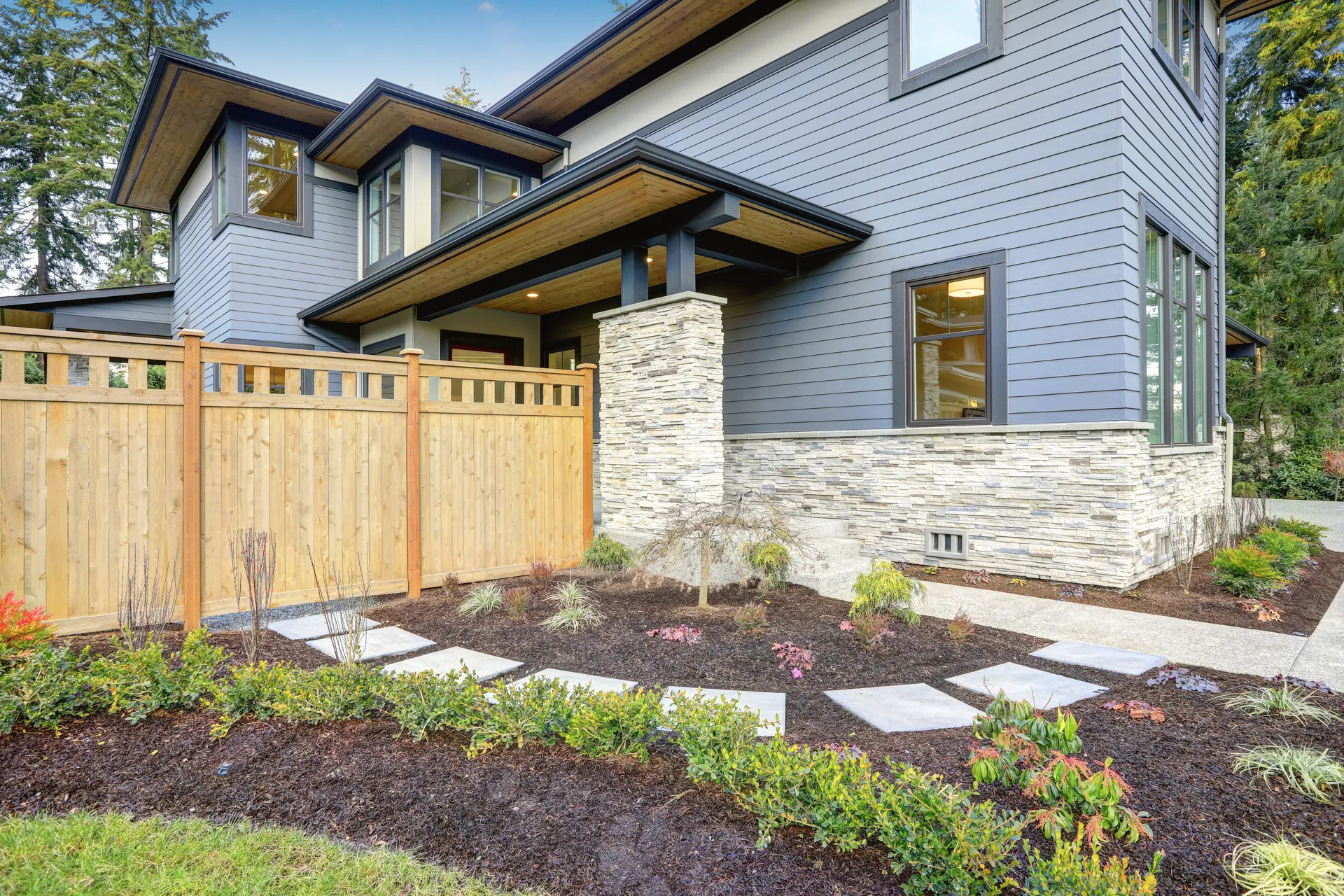
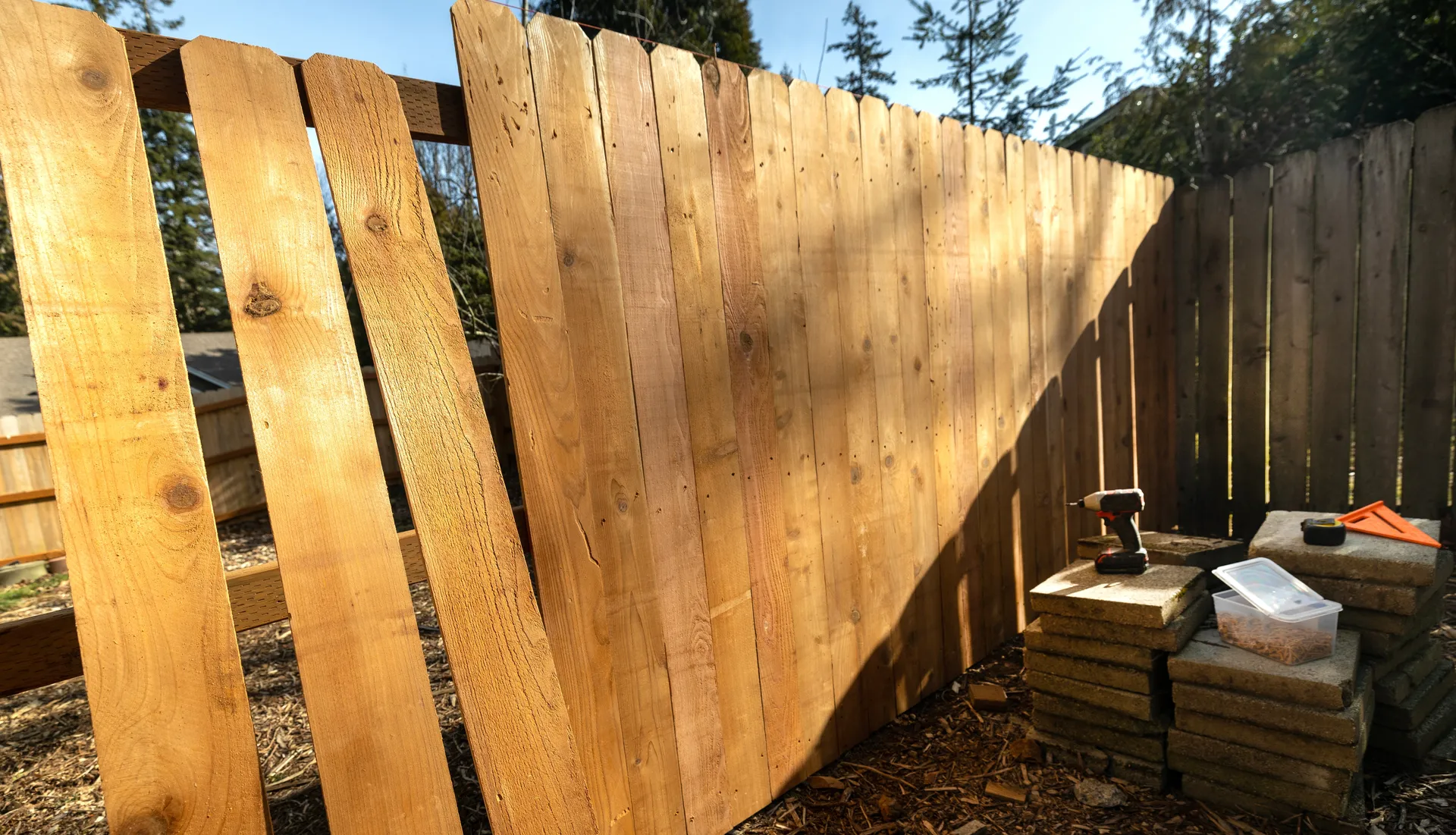
Cedar is the premium wood choice for fencing in the Charlotte area, and for good reason. Western red cedar contains natural oils (thujaplicins) that resist rot, decay, and insect damage without chemical treatment. This gives it a significant advantage in Charlotte's humid climate compared to untreated wood.
How it handles Charlotte's climate: Cedar performs well. The natural oils provide genuine protection against moisture absorption and fungal growth. A cedar fence that gets regular maintenance (sealing or staining every 2 to 3 years) will last 15 to 20 years in the Charlotte area. Even without maintenance, cedar degrades much more slowly than pine -- an unstained cedar fence typically lasts 10 to 15 years before needing significant repair.
What to watch for: Cedar's natural resistance is real but not unlimited. Ground-contact areas -- the bottom of pickets and the base of posts -- are still vulnerable to rot over time. Setting posts in concrete and leaving a gap between the bottom rail and the ground helps. Cedar also weathers to a silver-gray color if left unstained, which some homeowners love and others do not. If you want to maintain the original warm reddish-brown color, plan on staining every 2 to 3 years.
Best for: Homeowners who want a natural wood look and are willing to do some maintenance. Cedar is especially popular in established Charlotte neighborhoods like Myers Park, Dilworth, and South End where the natural aesthetic fits the character of the area. Learn more on our wood fence installation page.
Pressure-Treated Pine
Pressure-treated Southern yellow pine is the most commonly installed fence material in the Charlotte market. It is affordable, widely available at every lumber yard and home improvement store in the area, and the chemical treatment (typically alkaline copper quaternary, or ACQ) provides protection against rot and insects.
How it handles Charlotte's climate: Adequately, with consistent maintenance. The chemical treatment does its job of preventing the wood from rotting prematurely, but it does nothing to prevent the physical effects of moisture cycling. Charlotte's constant wet-dry cycle causes pressure-treated pine to warp, twist, cup, and crack over time. Posts set in the ground are the most vulnerable point, even with treatment.
What to watch for: New pressure-treated lumber has a high moisture content and will shrink as it dries. Fences built with freshly treated lumber often develop gaps between boards within the first year. Experienced Charlotte fence contractors know to account for this. The green tint of new treated lumber fades within a few months, at which point the wood needs staining or sealing to protect against UV damage and moisture. Skip the stain, and the fence will look weathered and gray within two years. For a detailed comparison of these two wood types, read our cedar vs. pressure-treated pine guide.
Best for: Budget-conscious homeowners who are willing to maintain the fence regularly. Pressure-treated pine gives you the most fence for the least money upfront. It is the go-to choice across much of the Charlotte metro, from Gastonia to Indian Trail.
Vinyl (PVC) Fencing
Vinyl is the material that handles Charlotte's climate with the least effort from you. It does not absorb water, so there is no rot, warping, or splitting. It does not attract insects. It does not need staining, painting, or sealing. Mildew does not penetrate the surface -- it just sits on top and washes off with a hose.
How it handles Charlotte's climate: Extremely well. Vinyl is essentially immune to the moisture and humidity that break down wood fences. After 10 years in Charlotte's climate, a quality vinyl fence will still look substantially the same as the day it was installed. The main climate-related concern is UV degradation. Charlotte gets plenty of sun, and prolonged UV exposure can cause cheaper vinyl to yellow, chalk, or become brittle. Premium vinyl from manufacturers like Bufftech, ActiveYards, and Barrette includes titanium dioxide and other UV stabilizers that prevent this.
What to watch for: Not all vinyl is created equal. Thickness matters. Budget vinyl panels are thinner and more prone to cracking from impact or extreme temperature swings. Premium vinyl panels have thicker walls and aluminum reinforcement in the posts and rails, which significantly improves wind resistance and structural integrity. In Charlotte, where summer thunderstorms can produce 60+ mph gusts, that reinforcement is worth the extra cost.
Best for: Homeowners who want a long-lasting, maintenance-free fence. Vinyl is especially smart around pools (no rot from splash exposure), in low-lying yards that hold moisture, and for anyone who simply does not want to deal with annual fence maintenance. It is the fastest-growing fence material in Charlotte's newer subdivisions in Huntersville, Fort Mill, and Matthews. See our full vinyl fence installation page for style options and pricing. For a head-to-head comparison with wood, read our wood vs. vinyl guide.
Aluminum Fencing
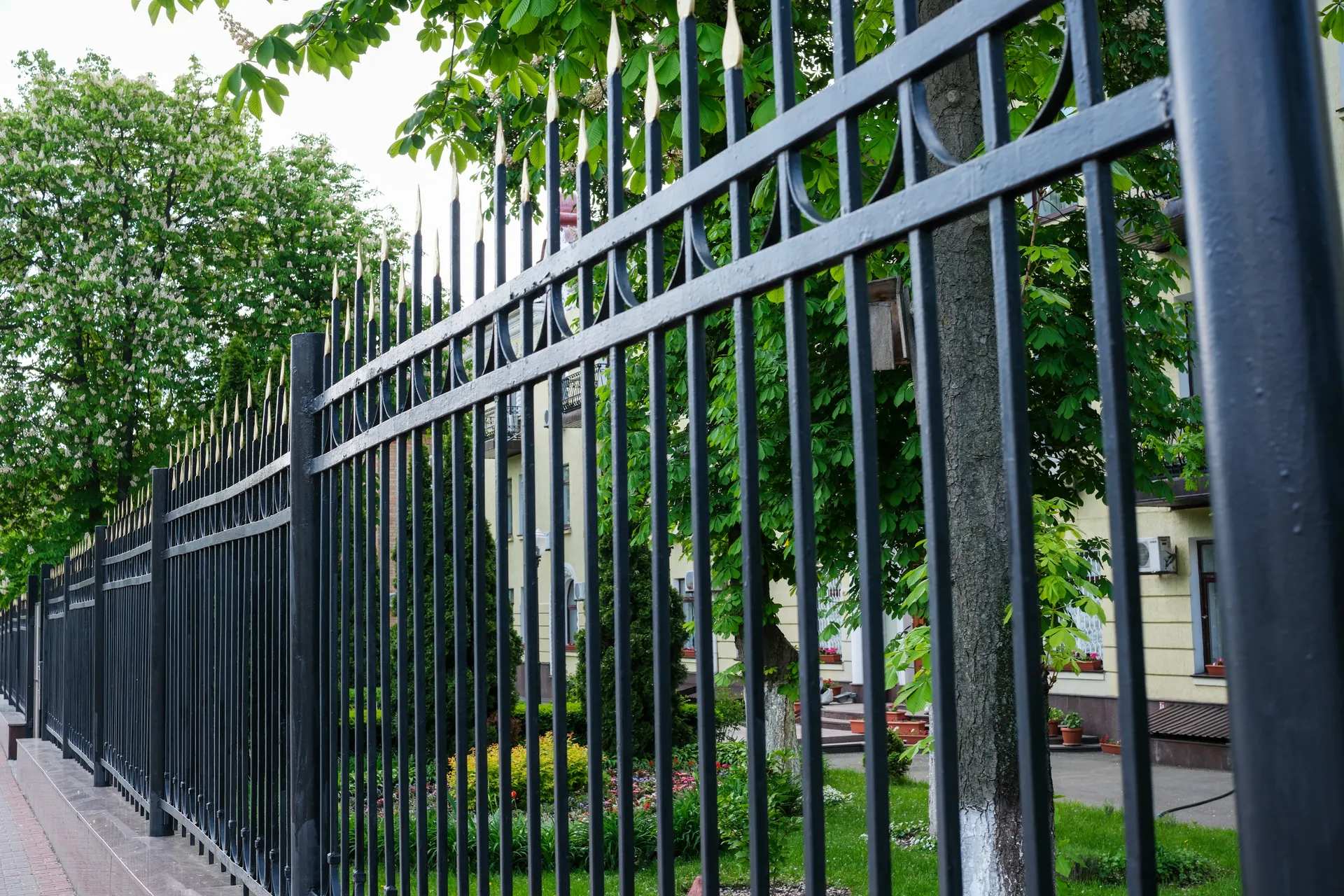
Aluminum fencing gives you the ornamental look of traditional wrought iron without the rust. It is powder-coated at the factory, which creates a durable finish that holds up against rain, humidity, and UV exposure.
How it handles Charlotte's climate: Aluminum handles Charlotte's climate about as well as any material can. It does not rust, rot, warp, or deteriorate from moisture exposure. The powder-coated finish resists UV fading and chalking for 15 to 20 years before it might need a touch-up. Aluminum is also lightweight, which makes it easier to install on slopes -- a real advantage in the hilly terrain around Lake Norman and South Charlotte.
What to watch for: Aluminum is not as strong as steel or wood. A heavy tree limb or a riding mower hit can bend or dent a panel. In areas with significant tree coverage, this is worth considering. Also, aluminum is not a privacy fence material -- the picket-style design is open by nature. If privacy is your goal, you will need to pair aluminum with landscaping or choose a different material.
Best for: Pool enclosures (meets code, no rust from chemicals), front yard fencing where you want a decorative boundary, properties on slopes, and anywhere you want visibility with a polished look. Aluminum is popular in Cornelius, Davidson, and Mooresville lakefront properties. Learn more on our aluminum fence installation page.
Chain Link Fencing
Chain link is the workhorse of the fence world -- affordable, durable, and functional. It is available in two main finishes: galvanized steel (silver) and vinyl-coated (black, green, or brown).
How it handles Charlotte's climate: Galvanized chain link holds up well for 15 to 20 years. The zinc coating protects against rust, and the open mesh design means wind passes through rather than catching the fence like a sail. Vinyl-coated chain link adds an extra layer of protection and typically lasts 20+ years. The vinyl coating also softens the industrial look and helps the fence blend into landscaping.
What to watch for: The posts and top rail are the weakest points on a chain link fence. Posts can lean over time if they are not set deep enough in concrete, especially in Charlotte's clay soil, which shifts with moisture changes. The top rail can bend during storms if a limb lands on it. Gate hardware is the first thing to need replacement -- hinges and latches on chain link gates wear out faster than the fence itself.
Best for: Dog yards, property boundaries where privacy is not needed, commercial and industrial properties, sports courts, and budget-conscious projects. Black vinyl-coated chain link has become increasingly popular in Charlotte's suburban neighborhoods as an affordable way to contain pets without blocking views. Visit our chain link fence page for more details.
Composite and SimTek Fencing
Composite fencing is a newer category that combines wood fibers with plastic polymers to create a material that looks like wood but behaves more like vinyl. SimTek is a specific brand that makes molded stone and wood-look panels from polyethylene.
How it handles Charlotte's climate: Composite materials handle humidity and moisture well because the plastic component prevents water absorption. They do not rot, attract insects, or need staining. SimTek panels are molded from a single piece of polyethylene, so there are no joints or seams where moisture can penetrate. Both products resist UV fading better than untreated wood.
What to watch for: Composite and SimTek fencing costs significantly more than wood -- often comparable to or higher than vinyl. The product selection is also more limited than wood or vinyl, so you have fewer style options. Installation requires specialized knowledge that not all Charlotte fence companies have, so make sure your contractor has experience with these materials.
Best for: Homeowners who want a unique look (especially the stone-wall appearance of SimTek panels) with minimal maintenance. These materials are showing up in higher-end Charlotte neighborhoods where homeowners want something different from the standard wood or vinyl privacy fence.
Ranked Recommendations for Charlotte Homeowners
Based on how each material actually performs in Charlotte's climate, we'd rank them like this for the average homeowner:
1. Vinyl -- Best overall value for Charlotte's climate. Zero maintenance, longest lifespan, and completely immune to the humidity and moisture that destroy wood fences. The higher upfront cost pays for itself within 8 to 10 years when you factor in the staining and repairs that wood fences require.
2. Aluminum -- Best for non-privacy applications. Perfect for pools, front yards, and decorative boundaries. Handles every aspect of Charlotte's weather without issue. Limited only by the fact that it is not a privacy fence material.
3. Cedar -- Best wood option for Charlotte. The natural rot resistance makes a meaningful difference in this climate compared to pine. Worth the premium if you want real wood and are committed to maintenance.
4. Pressure-treated pine -- Best budget option. Gets the job done if you maintain it. Expect to replace it sooner than any other material on this list, but the low upfront cost makes it accessible for homeowners who need a fence now on a tight budget.
5. Vinyl-coated chain link -- Best utility option. Not the prettiest fence, but it is affordable, durable, and functional. The vinyl coating gives it a cleaner look than bare galvanized and adds extra years of life.
6. Composite/SimTek -- Best for a distinctive look. Performs well in the climate but limited in style options and higher in cost. Worth exploring if vinyl and wood do not appeal to you.
Whatever material you choose, proper installation matters as much as the material itself. Posts set too shallow, panels not secured correctly, or concrete footings done wrong will shorten the life of any fence in Charlotte's climate. Choose a material that fits your budget and maintenance tolerance, then hire a qualified Charlotte fence contractor to install it right.
For tips on keeping your fence in top shape after installation, read our fence maintenance guide for Charlotte homeowners. For pricing on each material, check our Charlotte fence cost breakdown. And when you are ready to get started, call for free estimates from local professionals.